Idaho Physical Map
There’s more to Idaho than potatoes. It’s one of the most mountainous states in the country with the Rockies and the Bitterroot Range.


There’s more to Idaho than potatoes. It’s one of the most mountainous states in the country with the Rockies and the Bitterroot Range.
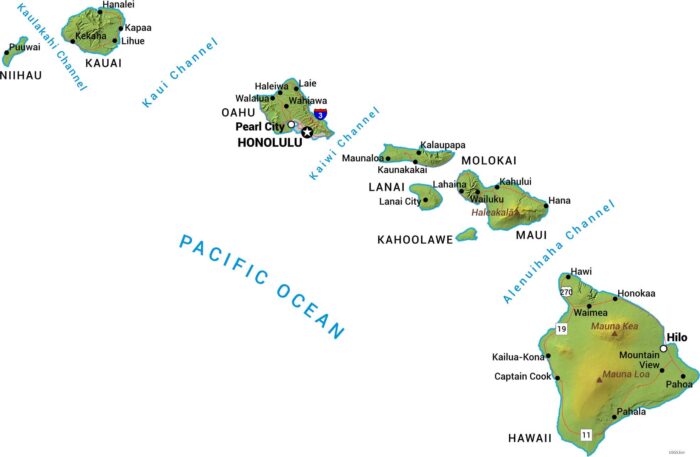
Our physical map of Hawaii shows these Pacific islands all built from volcanoes. Mauna Kea and Mauna Loa dominate the Big Island.
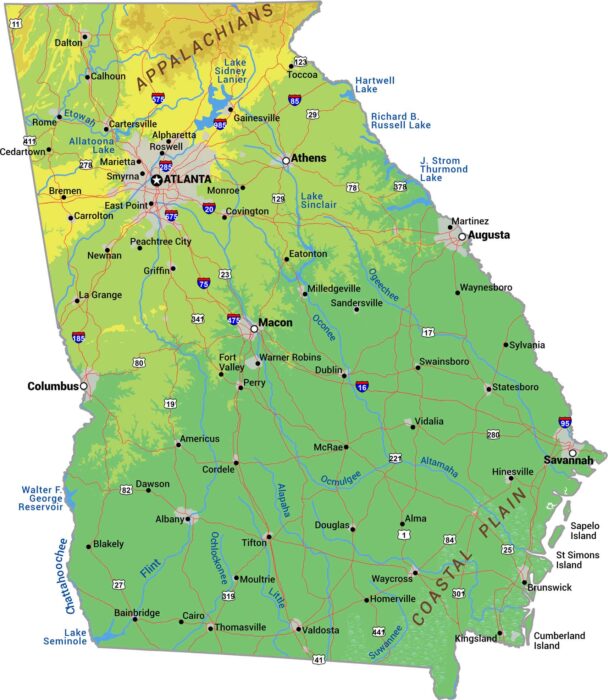
Georgia climbs from coast to mountains. The Appalachians rise in the north. The middle is Piedmont and the southern third is Coastal Plain.
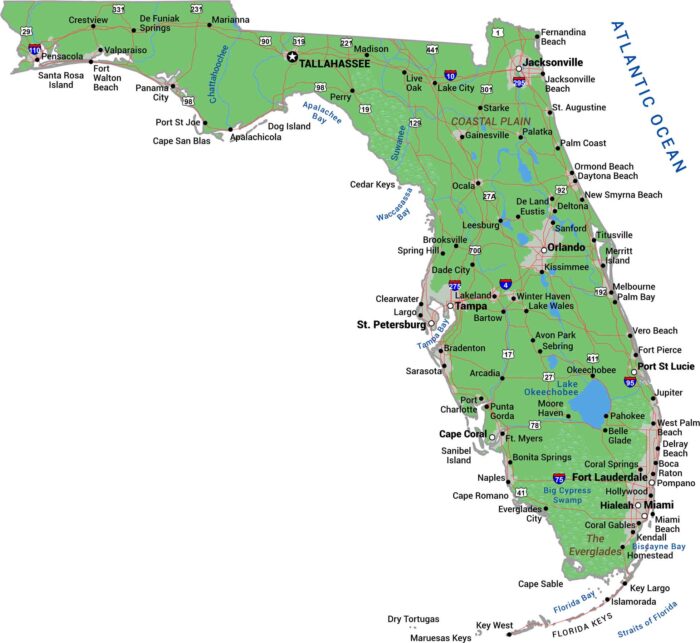
Our Florida physical map shows a state that’s basically flat. Swamps and wetlands fill the interior while beaches wrap its coastline.
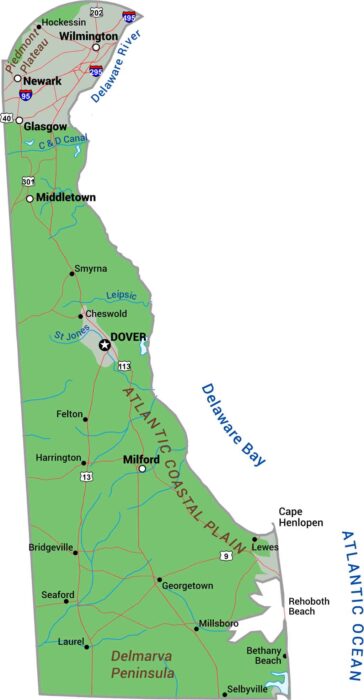
Delaware is flat. The state sits on the Atlantic Coastal Plain with barely any elevation. It’s mostly marshes, wetlands, and tidal zones.
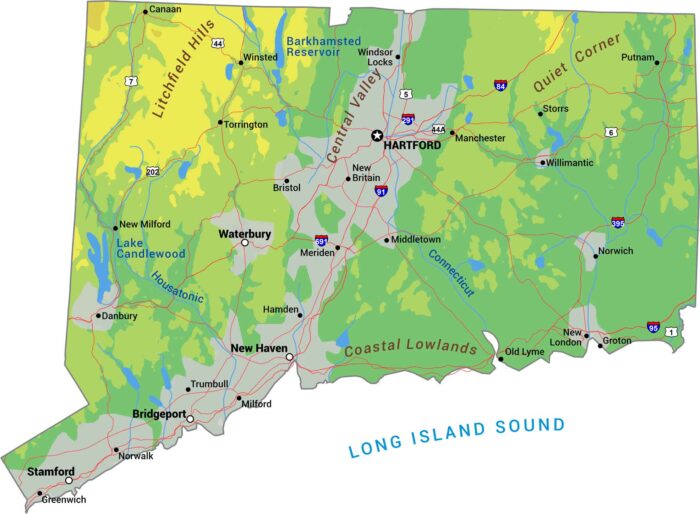
Connecticut doesn’t do drama. It’s mostly gentle hills, river valleys, and a smooth coastline here. The Litchfield Hills has modest elevation.
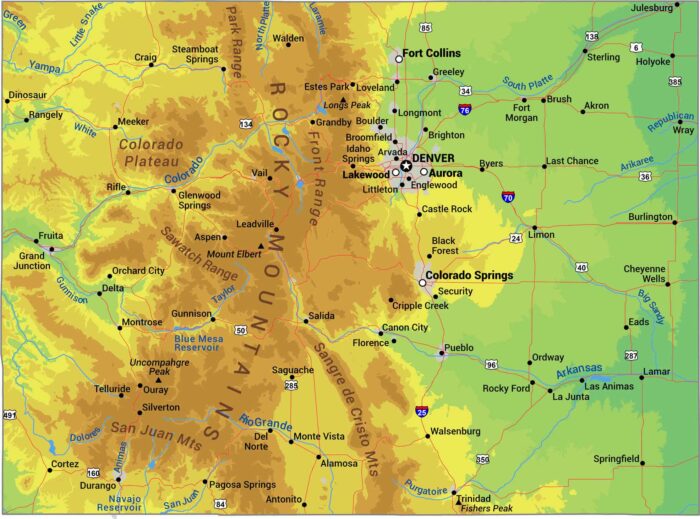
Here’s our physical map of Colorado. The Rockies dominate, running north to south through the center with over 50 summits above 14,000 feet.
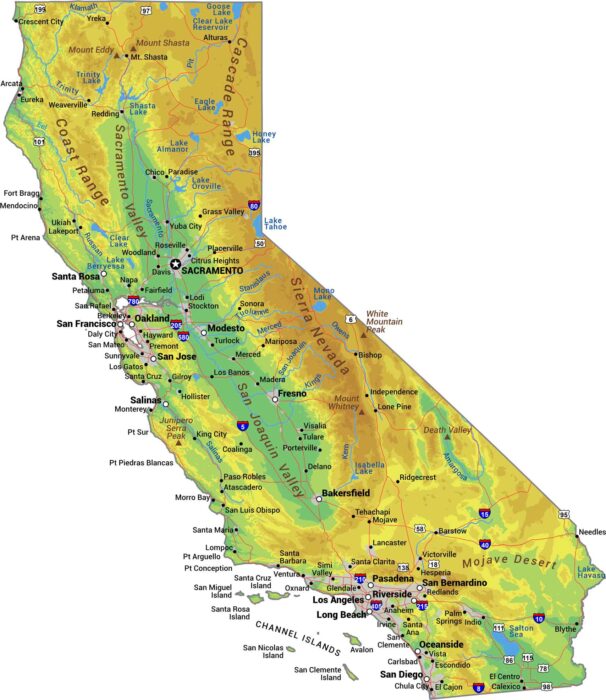
No state packs more variety than California. The Sierra Nevada mountains wall off the east while the coastal ranges hug the Pacific Ocean.
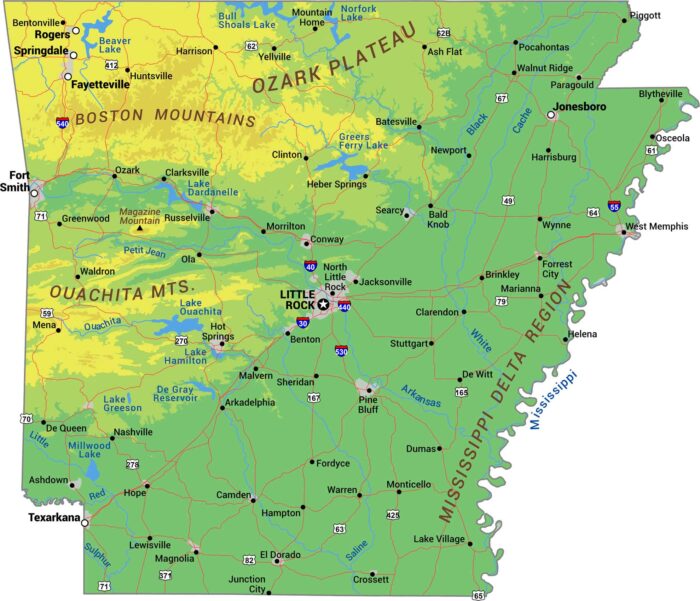
Our Arkansas physical map displays its shift from mountains to delta. The Ozark Plateau and Ouachita Mountains hold the north and west.
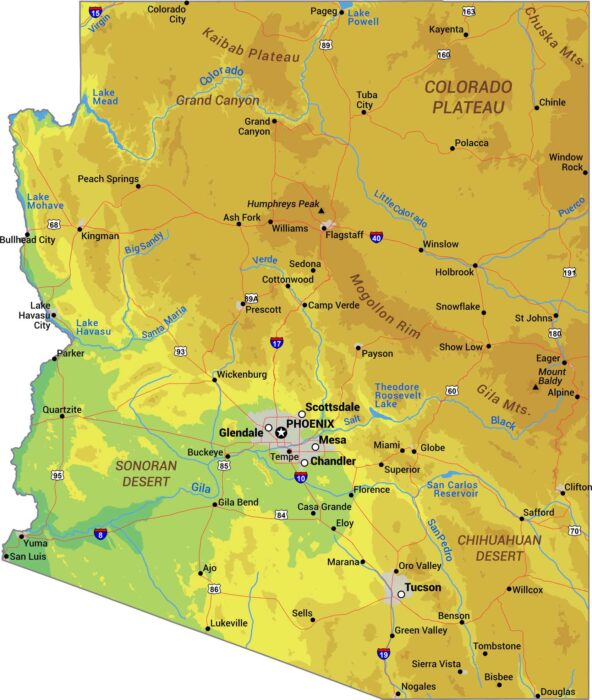
Our Arizona physical map captures the extremes. It includes everything from the Grand Canyon to the Sonoran Desert and the Colorado Plateau.
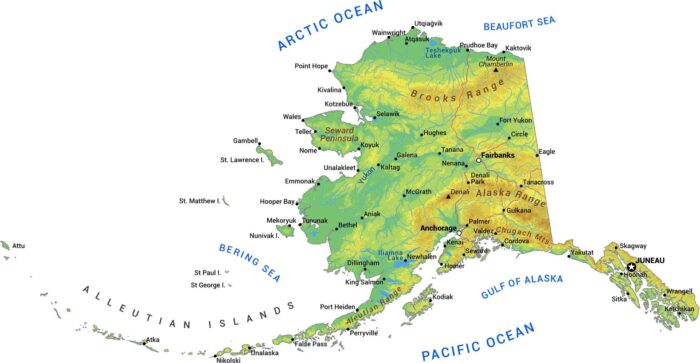
Alaska is massive and wild. We’ve mapped the mountains, rivers, and brutal terrain that makes this the last frontier.
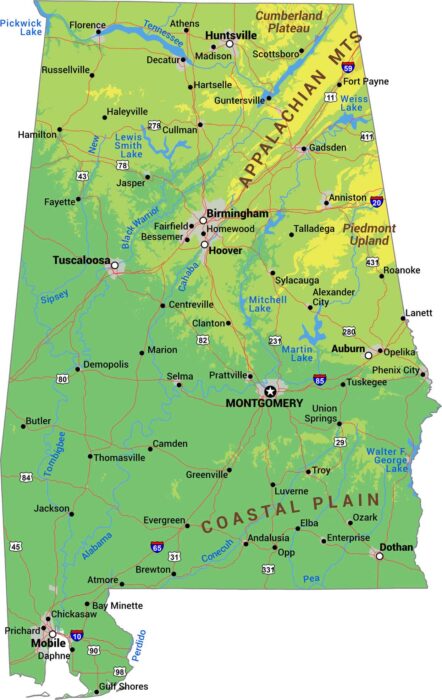
Our physical map of Alabama shows its distinct regions from north to south – Appalachian Mountains, Piedmont Plateau and the Coastal Plain.

Our Wyoming outline maps displays this almost perfect rectangle. Every border is a straight line without any river or terrain borders.
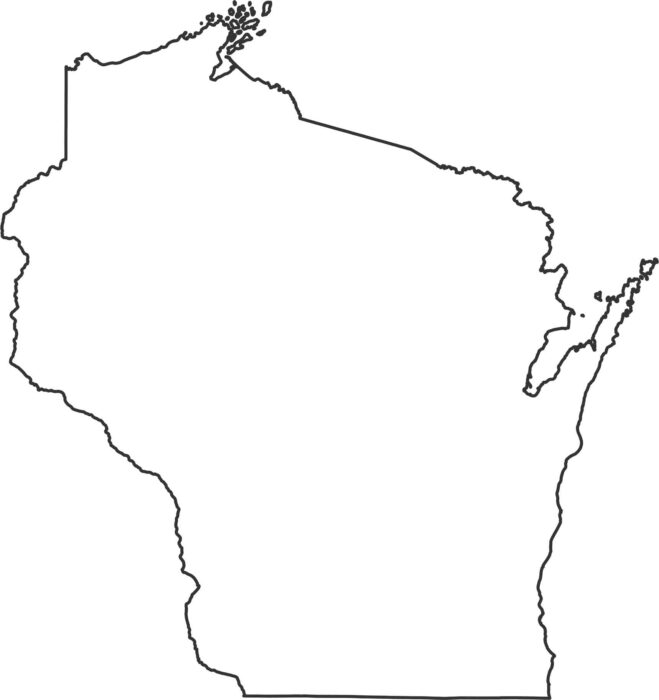
Our outline map of Wisconsin shows how water defines its borders. Much of its outline is shaped strongly by the Great Lakes and rivers.
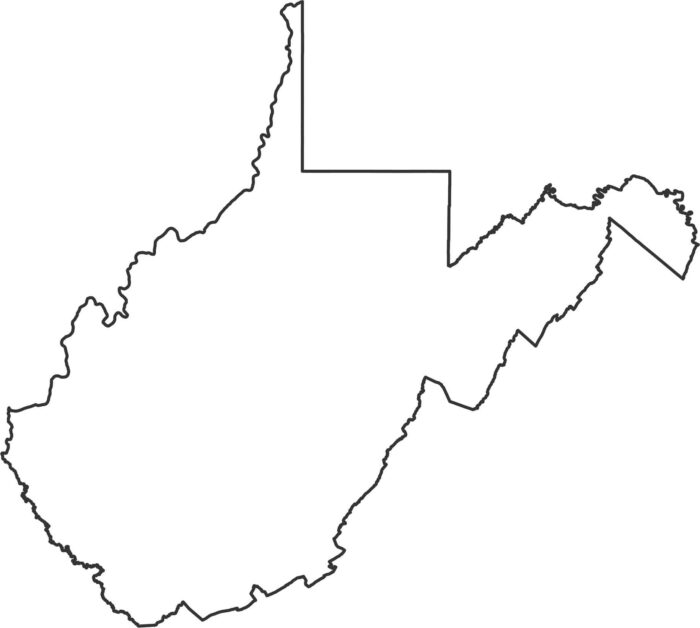
West Virginia’s outline twists around mountain ridges and river valleys. The borders bend in many directions due to the terrain.