Monongahela River Map
The Monongahela flows north from West Virginia into Pittsburgh. This is where it meets the Allegheny to form the Ohio.

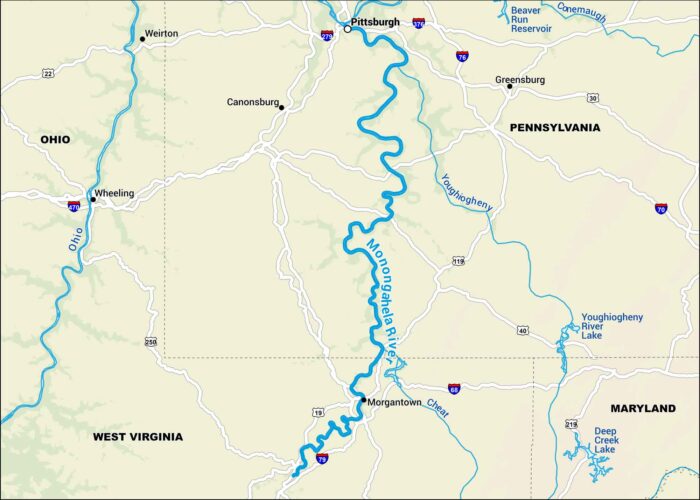
The Monongahela flows north from West Virginia into Pittsburgh. This is where it meets the Allegheny to form the Ohio.
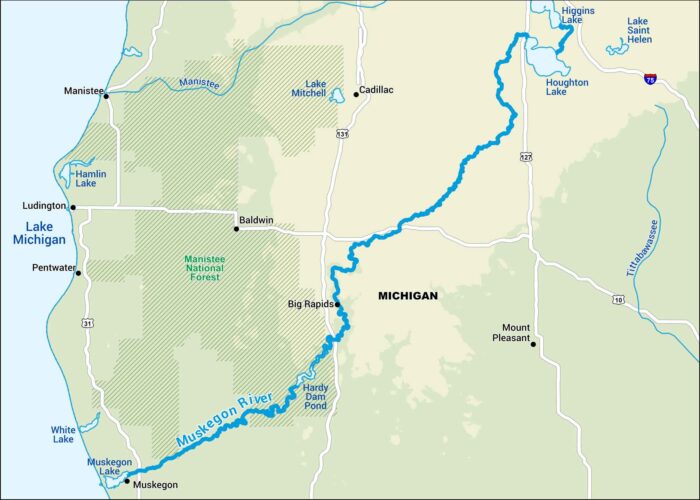
The Muskegon River winds through Michigan, flowing from Houghton Lake to Lake Michigan. It’s one of those rivers that still feels quiet.
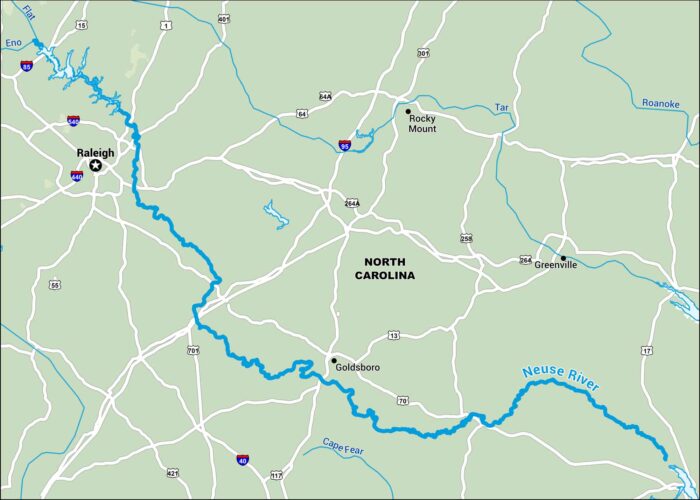
The Neuse runs in eastern North Carolina from the Piedmont towards the Pamlico Sound. Follow its long, slow path through Raleigh and beyond.
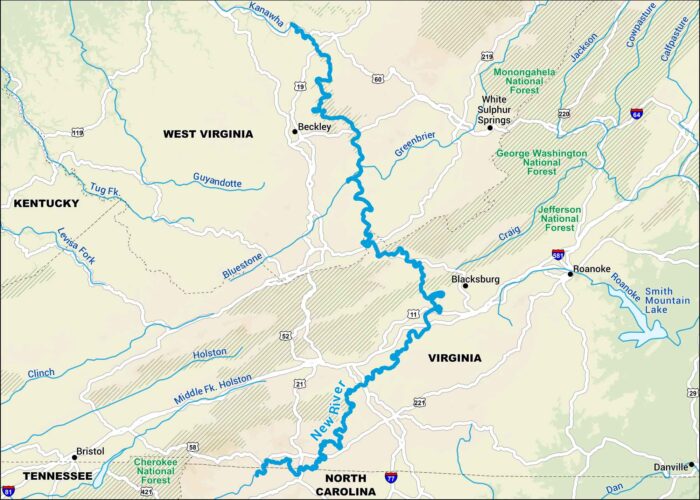
Despite its name, the New River is one of the oldest on the continent. Our map tracks its course through the mountains of three states.
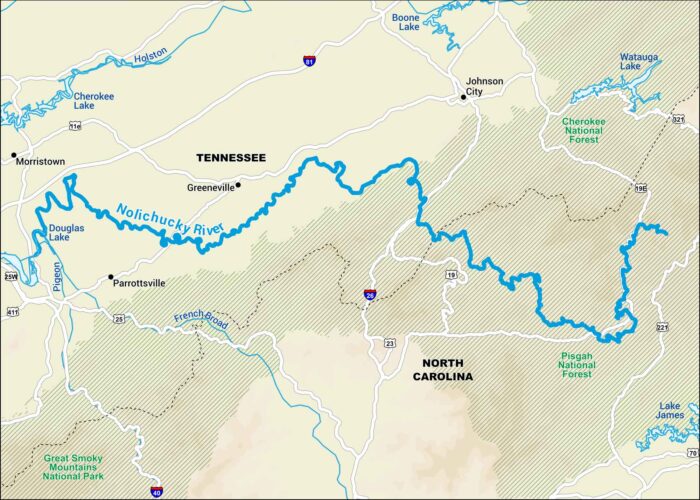
The Nolichucky River runs through the mountains of Tennessee and North Carolina. Our map shows its stretches surrounded by Appalachian forest.
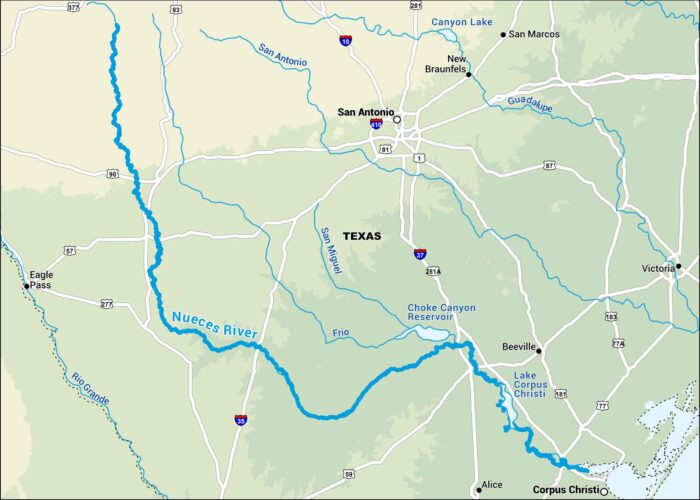
Our map of the Nueces River shows its flow down to Corpus Christi Bay. It cuts through dry ranchland before opening to the Gulf.
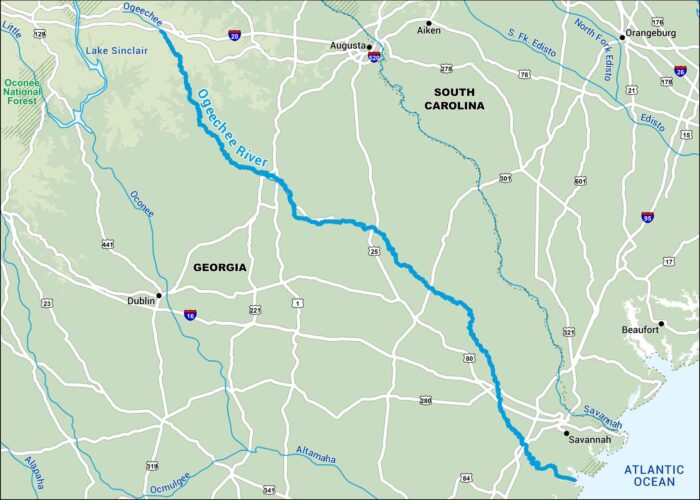
This map shows the Ogeechee River flowing across southeast Georgia to the Atlantic. It still runs mostly free and natural.
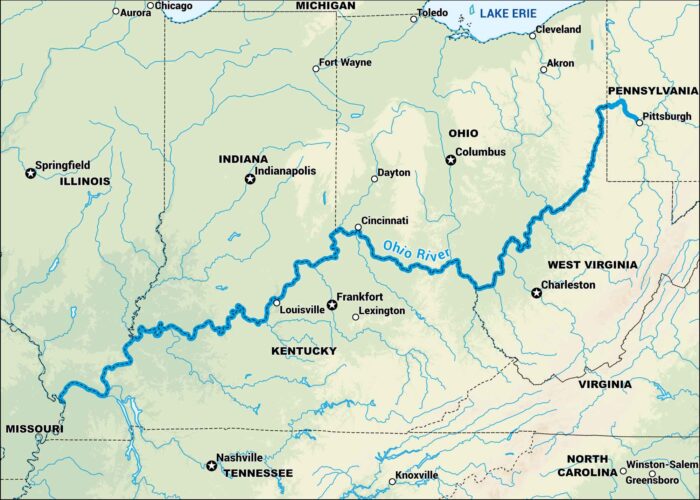
Our Ohio River map shows it from Pittsburgh to the Mississippi. It forms the borders of Illinois, Kentucky, Indiana, Ohio and West Virginia.
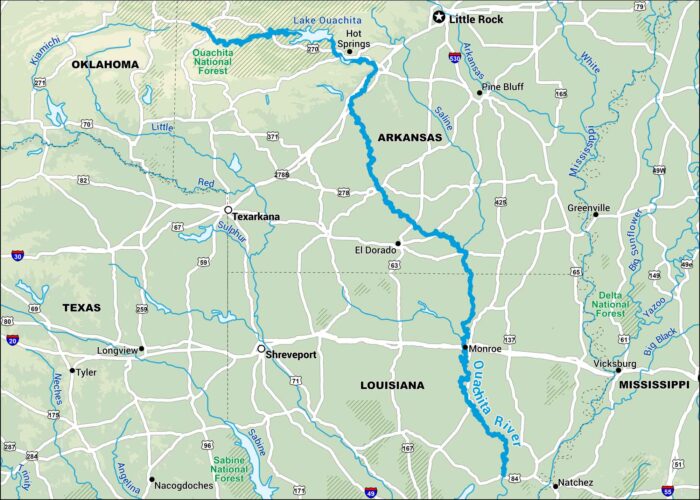
This map shows the Ouachita River running through western Arkansas and Louisiana. Its path passes through the Ouachita National Forest.
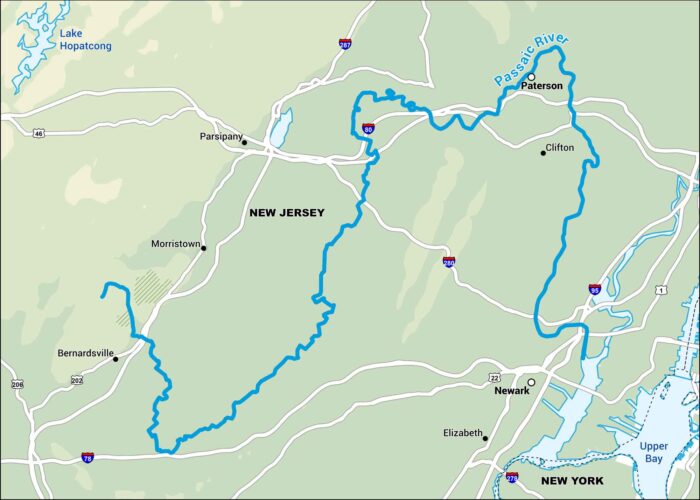
The Passaic River flows through northern New Jersey. It’s a historic river, looping around cities like Paterson and Newark.
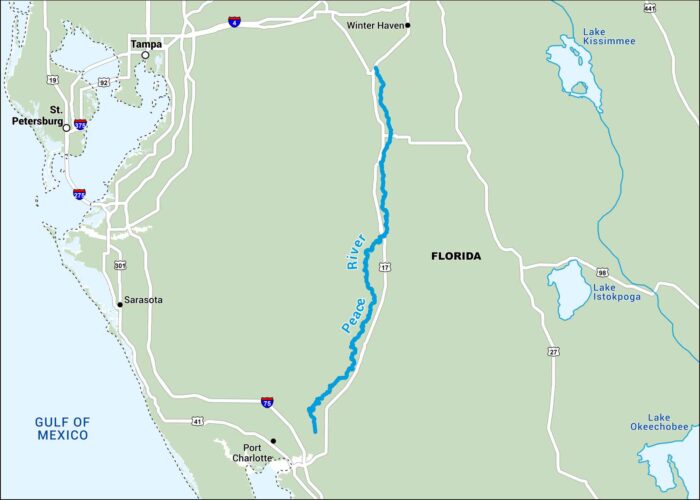
The Peace River flows through southwest Florida through farmland and swampland. Our map highlights its bends all the way to Port Charlotte.
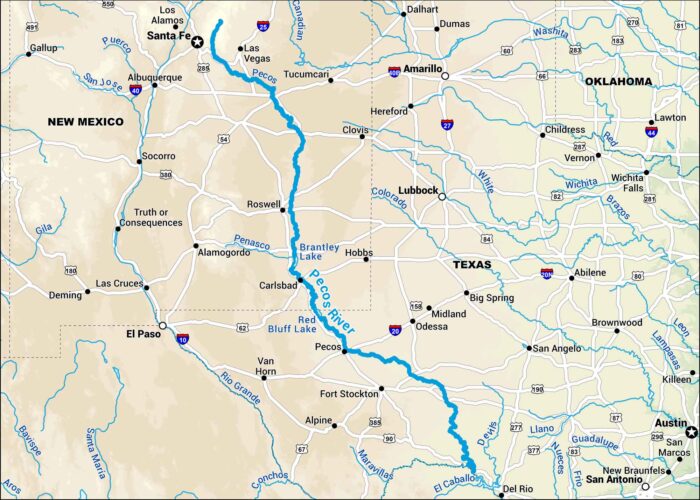
Our map of the Pecos River runs from the mountains of New Mexico through the dry plains of West Texas. It twists its path across the Southwest.
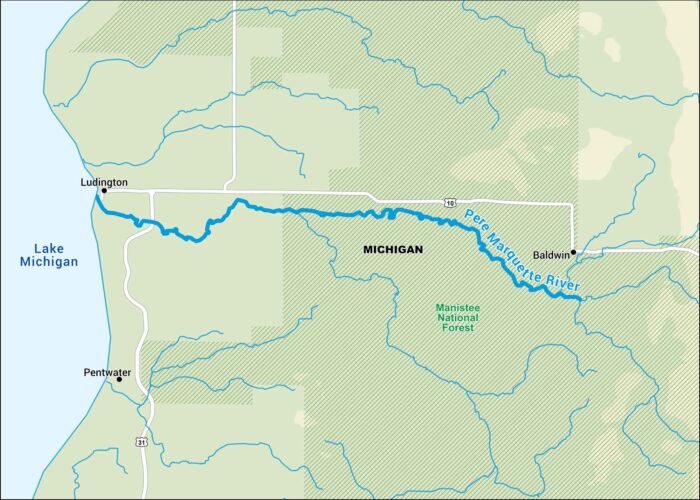
Our map of the Pere Marquette River shows its winding route through western Michigan. Eventually, it meets Lake Michigan near Ludington.
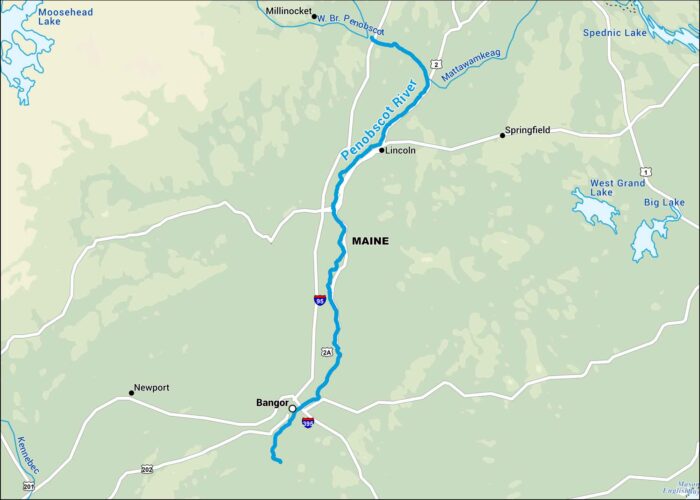
This map follows the Penobscot River through central Maine all the way to Penobscot Bay. It’s one of New England’s great waterways.
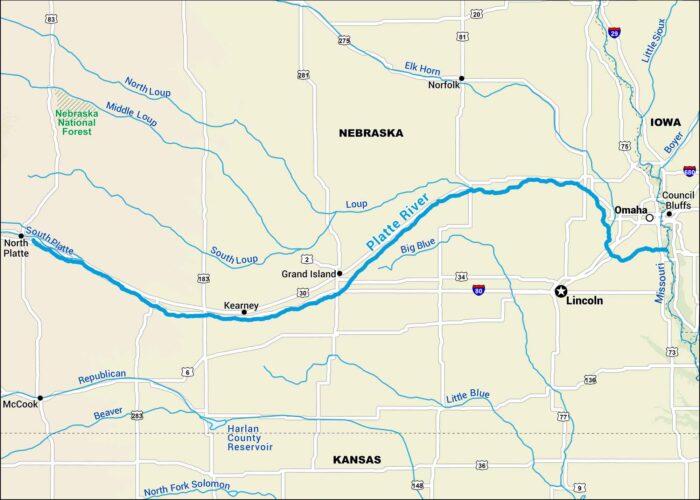
Our map of the Platte River shows its broad, shallow course across Nebraska. Sandhill cranes use it as a migration route in the Great Plains.