Minnesota Population Map
The Twin Cities dominate our population density map of Minnesota. But density fades outward such as in the sparse northern regions.

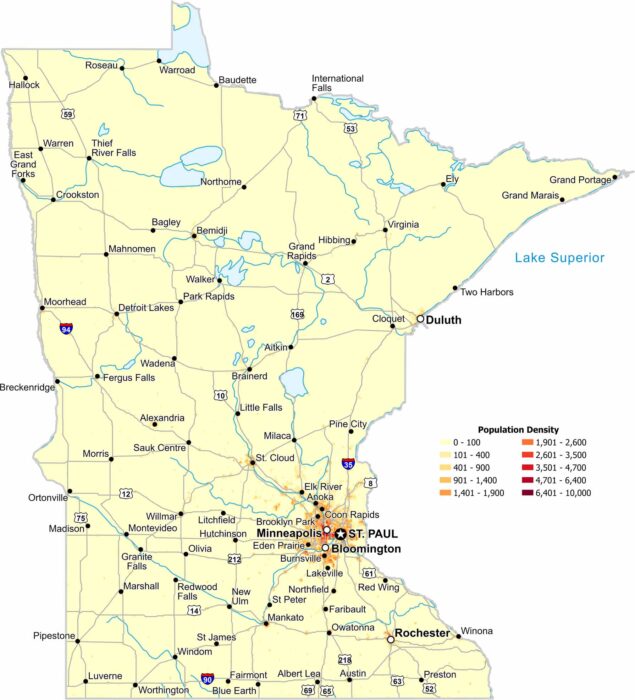
The Twin Cities dominate our population density map of Minnesota. But density fades outward such as in the sparse northern regions.
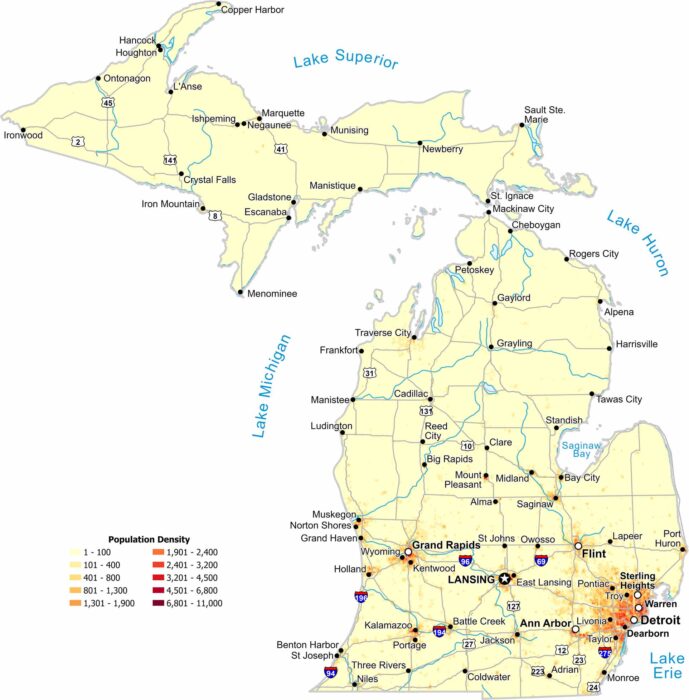
Our population density map of Michigan shows a sharp north–south contrast. Population clusters near Detroit and along lake shores.
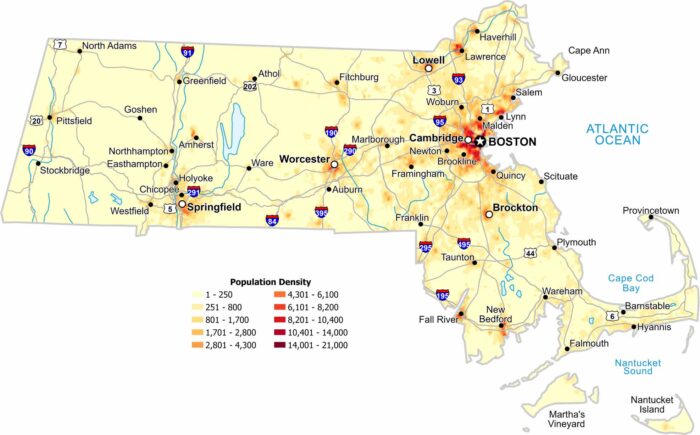
Eastern Massachusetts appears tightly packed on our population density map. Roads and cities overlap heavily on the map.
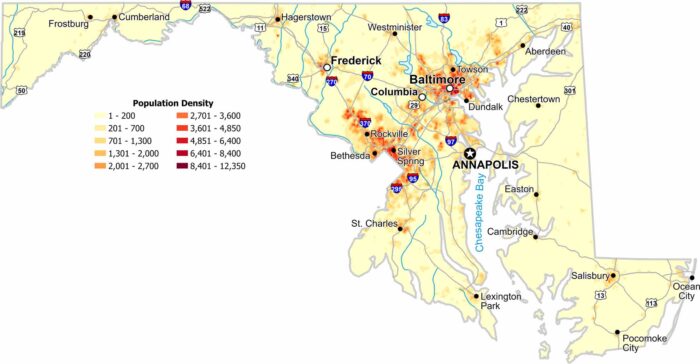
Population density peaks near major metro areas like Baltimore. Our Maryland population density map shows thinning population farther inland.
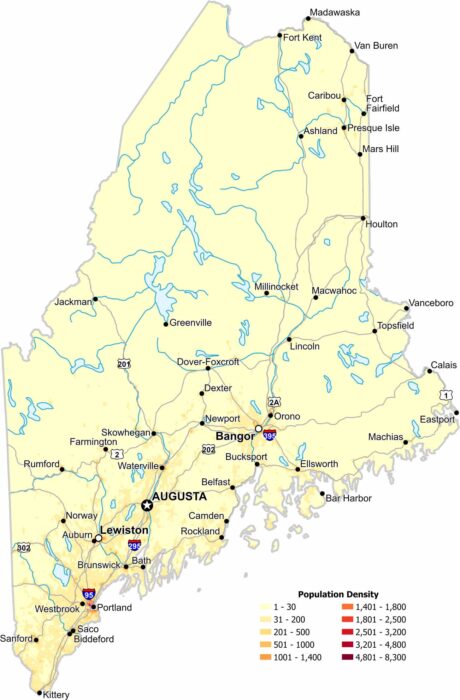
Southern Maine holds most of the population. Our population density map highlights density near the coast and highways.
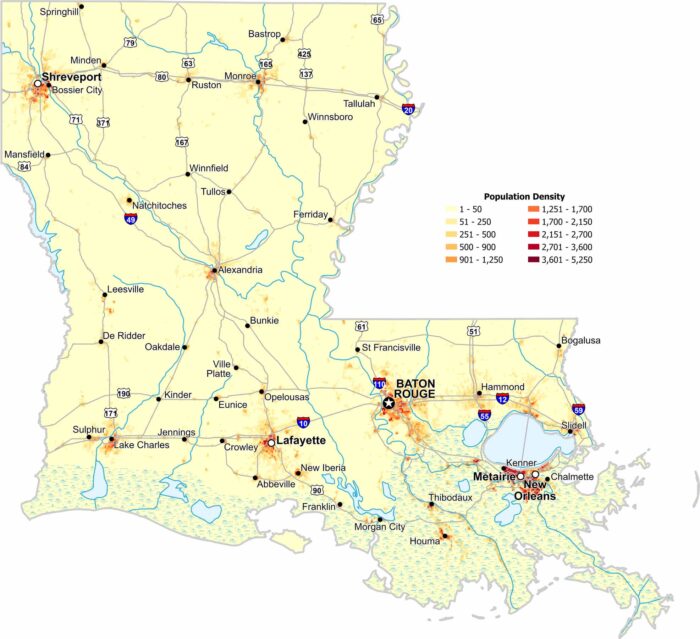
The Mississippi River corridor dominates population density in Louisiana. Major cities like New Orleans and Baton Rouge line this waterway.
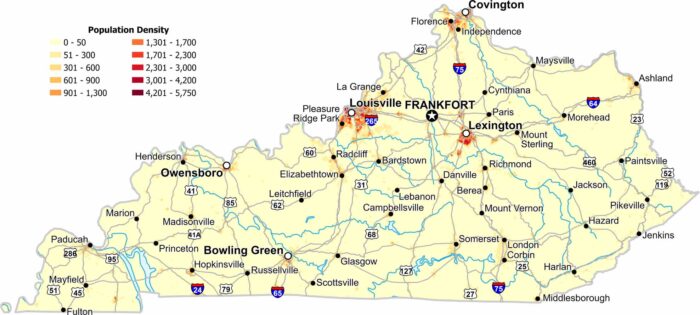
Our population density map of Kentucky shows Appalachian terrain limiting eastern growth. The northern and central areas appear denser.
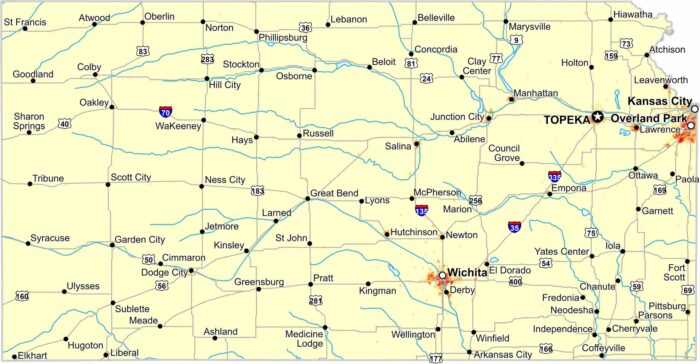
Check out our population density map of Kansas to see population thin across the plains. Eastern Kansas shows higher density than the west.
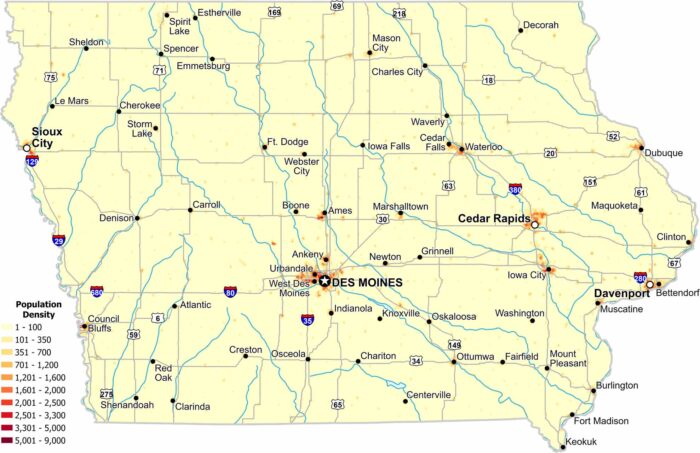
Population density remains moderate across much of Iowa. Des Moines, Davenport and Cedar Rapids have the highest population density.
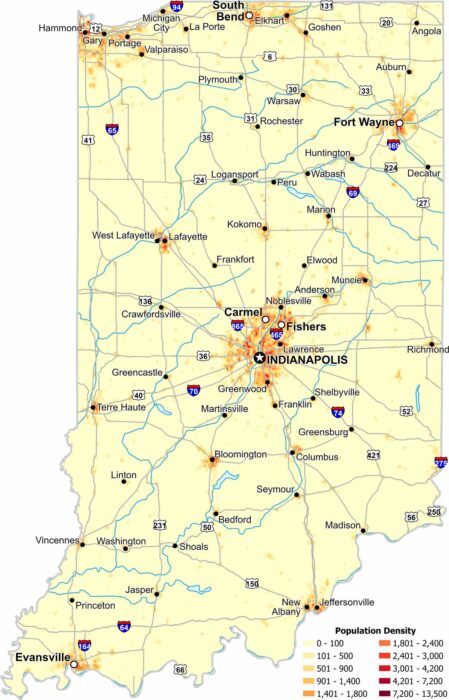
Our Indiana population density map shows urban centers with Indianapolis, Evansville and Fort Wayne as the main focal points.
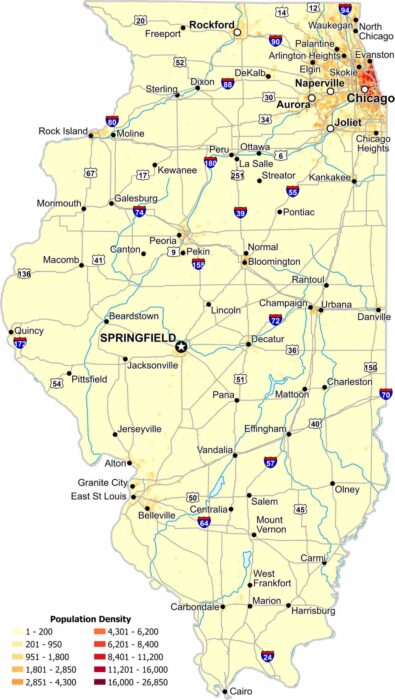
Northern Illinois stands out immediately on our Illinois population density map. You’ll see how Chicago dominates population density.
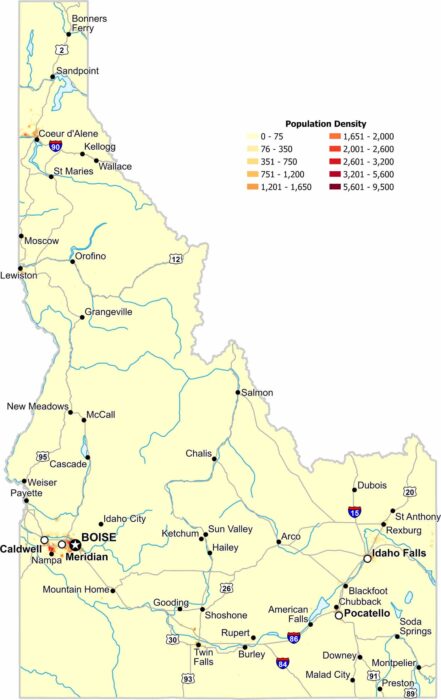
Most of Idaho remains lightly populated because its terrain limits widespread development. The only major density appears near Boise.
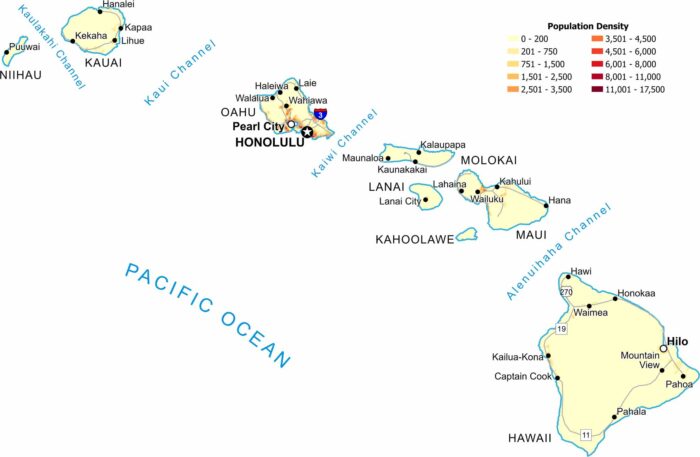
Population clusters tightly along island coastlines, especially near Honolulu. Mountain interiors show very low density.
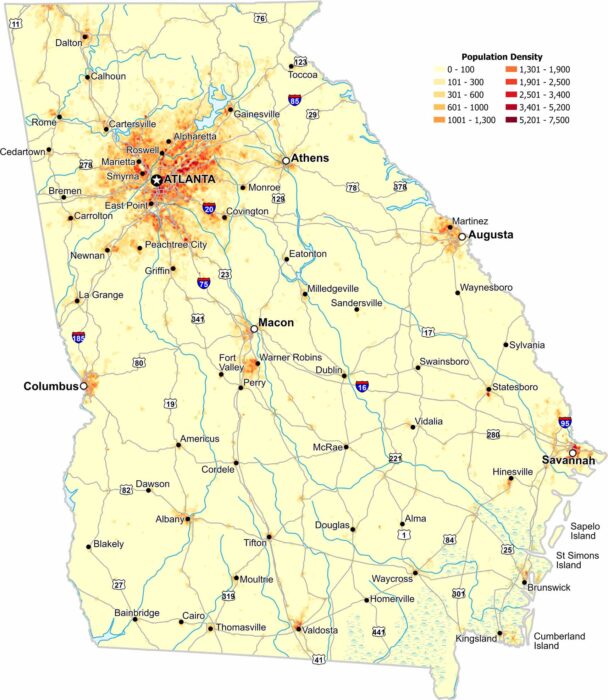
Atlanta defines Georgia’s population with its highest density area. Our population density map shows how the south remains much quieter.
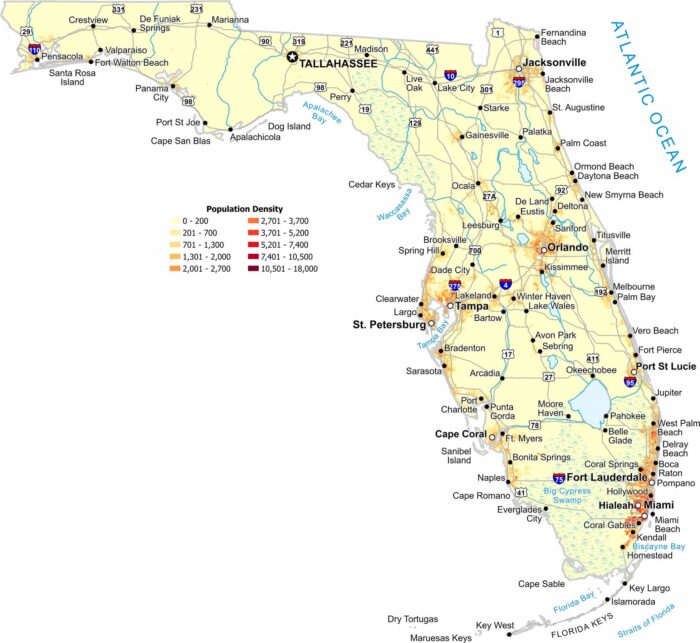
Florida’s population hugs the coast and major metros. But interior wetlands and the panhandle zone appear far less dense.